Pascal: [00:00:00] Most of us, when we get ready to sit with a medicine, we get handed a list. No alcohol, no red meat, no caffeine, no sex. The list is almost always about what to take out. This conversation is about something else. It's about what to put in, what to tend to, what kind of body you bring to the medicine in the first place.
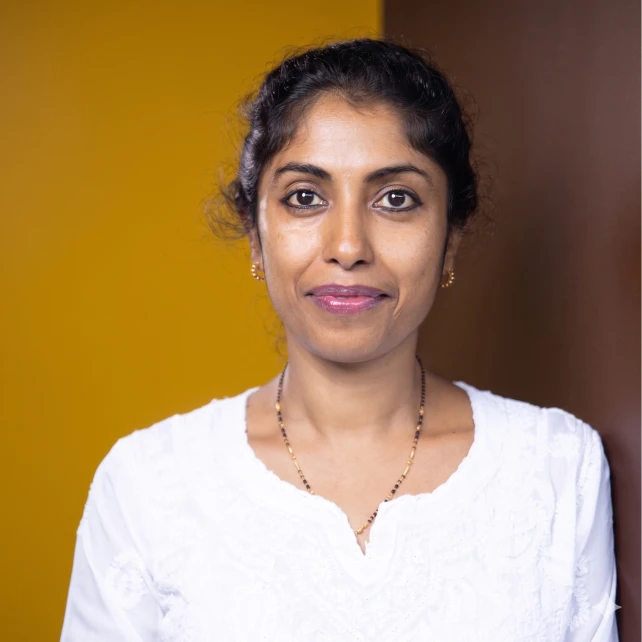
My guest today is Dr. Sujata Kagara. She's an Ayurvedic physician and a co-founder of Amrita City, an Ayurvedic center here in Bali that happens to be right across the street from where I live. She's also been my doctor and Elaine's doctor for a few years now. So a lot of what gets talked about in this episode, I've learned firsthand and seen the impact it's had on my own personal life.
Ayurveda has been in a conversation with plant medicines for thousands of years. Different plants, mostly. Different rituals. But the same underlying question: how do you prepare a person to receive something powerful without [00:01:00] coming undone by it, while getting the most benefits possible from it?
Dr. Sujata brings a way of thinking about that question that most modern protocols miss. The body has its own intelligence. So do the plants. And the work of preparation in her tradition is the work of bringing these two intelligences into something like a conversation well before the medicine ever enters the room.
There's something she said during the episode that I quite liked. She said, "You can't dye a dirty cloth and expect a clean color." The medicine fills whatever vessel you bring to it. So this one's about the vessel.
Here's our conversation. I hope it supports you on your journey
Pascal: Hi Dr. Welcome to the show.
Dr. Sujatha: Hello?
Pascal: It's nice to have you here, especially given you're actually my neighbor, AMTA City. The center you you created is just across the street. So this is a unique thing and yeah, I'm really glad you're making the time in your busy day to to meet with me.
Dr. Sujatha: Oh, [00:02:00] sure. My pleasure. Thanks for inviting me for this podcast.
Pascal: I'm very excited about it because Ayurveda is actually something I've been learning from you and your team as well, and it's a fascinating tradition and has thousands of years of, of tradition. And for people out there that maybe haven't heard much about Ayurveda what is Ayurveda concerned with?
Tell us a bit more about its history.
Dr. Sujatha: Okay.
IRA is a medical system. It's a self-care method. It's a system of health and wellbeing coming from India. Ira, interested in providing people an understanding of their own self, their own physiology, and how to nurture and take care of yourself and know what's your strength, what's your weakness.
So it's a science of life. So it offers a lot thing and also Aveda promises. If somebody's interested in learning Ayurveda, it provides long, healthy, and happy life. So I guess we all want that.
Pascal: Yeah, and what I've actually grown to really love about Ayurveda is it is a life system. It is more than a medical, [00:03:00] framework, and it has been super helpful for me, to. Contextualize our own health and also our own integration really of life and of plant medicine journeys and just living life in a good way.
It's really helped us create a structure and an understanding of what's actually happening in our body and really aligning our philosophies of action with, with health. And that's been a very helpful thing for us and has a lot of years of tradition to it. And there's a lot of depth and knowledge to it.
So today we're gonna be touching a little bit. Specifically as it relates to peak experiences or plant medicine journeys, and I'd love to hear a little bit about what you believe is ayurveda's perspective on peak experiences or, or big life experiences.
Dr. Sujatha: You know,
there are mentioning of some of the psychedelic medications in Ayurvedic textbooks as well.
Pascal: Oh yeah.
Dr. Sujatha: It's need to be practiced. It need to be used in a very specific, very purified, very sacred form.
So it's a mentioning of that is there when there is intervention needed to be done with mind, [00:04:00] particularly when the severity of the imbalance or person's ability to express and leave life is limited because of some trauma or some limited neuro conductivity due to toxicity. It could be or due to life. It could be. So it, it's part of ira, and it is, very integral to working with MINDBODY connection when, when we talk about bringing health and happiness to individual
Pascal: I didn't know that Ayurveda Tech actually talks about these kind of medicines. Can you share a little bit more about that?
Dr. Sujatha: Bang, which is something like marijuana related. So a lot of preparations are made using marijuana, in the form of paste or drinks and all those things. as people have heard about, culturally Hinduism, when we talk about the diet is Shiva, the bong preparation, which is a milky preparation made using a marijuana plant, is used for these purposes, spiritual practices and, opening one's consciousness to. Grasp and understand more. Also, there are, other, medicines in Ayurveda, which are toxic, particularly the [00:05:00] Tura is used in the medicine for same purpose. and Bika is another medications, which is also toxic and have some mind altering properties. These are used in a very purified way, in a very subtle doses to help with the psychological disorders.
In Ayurveda, not every. Medical or Ayurvedic practitioners are well-versed in it. I particularly don't use these medicines, but I'm aware, my teacher, who I studied with has sometimes used in a microdosing when it is needed. he's a very wise and, lot of experience. So one need to be very thorough and very understanding and need to have a lot of his own practice and awareness to use these medicines.
Pascal: I'd be curious to hear your perspective or thoughts on plant intelligence and how Ayurveda or yourself sees that relationship between us and the plants.
Dr. Sujatha: plants are very integral part of my being and my practice. for me, it's almost like a law affair with plants. I can get into tears if somebody would chop my tree without telling [00:06:00] me, So my team already knows they're never going to touch any tree without, even when they know that it's a rainy season and they need to chop the branches, which is hanging over, the roof.
plants contain intelligence. and that intelligence, it works on certain part of the body in a certain time, all those things. And there is a whole chapter, a whole book in Ayurveda called, which talks about what plants have much more potency on. like an astrological presence, when it need to be harvested, how to prepare all those things to enhance this awareness, the consciousness of the plant. So, which is nothing far away from what the, Amazonian people also, had this awareness and went to cultivate harvest. In all these AL plans.
this is integral part of medicine preparation and every plant has its own intelligence. the targeted body part is going to work on targeted channels. It's gonna work on, different kinds of consciousness. It also brings when you consume it. also in Ayurveda. all the preparation, the classic [00:07:00] medicine preparation is called yoga, the word, normally what we use yoga for, just asana.
the purely yoga means the union. That means it's a perfect combination of different herbs and different way of preparing. It brings that extraordinary intelligence to these preparations. From the plants itself, having impact on different doshas, we're going to look into it more later. carrying the potency, depending on the moon cycle, carrying the potency, depending on the presence of certain n or the stars, in the space. Either enhances, decreases, stabilizes, so there's so much things to look into in detail. But there are some basic principles of, when to harvest and how to prepare and what containers to use.
Also imparts to making sure the medicine preparations are best, in its potency.
Pascal: it explains sometimes where, we have some pills of yours here. And there's like over 70 herbs in one pill sometimes, and I find that amazing The structure, the framework arrived to something so [00:08:00] complex and yet so effective at the same time.
Plant medicines, and things like ayahuasca or psilocybin or other master plants like that are very powerful intelligences and the experience that we can have with them can also be quite intense and demand a lot out of us. So today we're gonna talk about preparing for those peak experiences, and I'd be curious to hear, if someone came to you and said, Hey, Dr.
I'm preparing for an ayahuasca journey in the jungle in three months, what would you like to know about them and how would you approach helping them prepare for such an experience?
Dr. Sujatha: I would like to know their intention first, because anything you do with intention, it's like, you know, you are shooting at something, knowing where you want to shoot at, curiosity is always good, but when you work with the plant medicine, you gotta respect that.
And you need to know why are you approaching those plant medicine? Why want to, connect and embrace that into your realm and your own, body and mind. So I wanna know the intention, when they do it. So once they're clear with the intention, then I want them to really [00:09:00] prepare their body with awareness because, you experience the mind. Qualities in mind, the what goes in your mind, in your body too. so you cannot separate that. So those medicines works on your mind. your nervous system, your neurons, but the experience would be distill down to your body, so you could have a better stable body and a still body so that you can experience the enormous effect of those plant medicine in a very stable, connected way. So this is one aspect, the stability, focus, mindfulness. Before you go into the practice and also your body, need to be prepared for this experience to work very well for you. simply talking about reducing inflammation in your body, reducing armor or toxins in your body, blockages in your body. Having your digestive system work well, your sleep is more stable, so many other things. We can talk in details as we go through, but these things, they need to have a complete awareness of their body where they are at. And what's their intention with this [00:10:00] medicine and how they can prepare to enhance the, effect of this plant medicine journey they are planning to go for.
So it's really important and, so many things that people can do before they go into the journey of, plant medicine experience. So here today we can talk about that. So this could be a guideline for people to have a great experience and also prevents any challenges and trouble which may occur if you're not ready.
Pascal: Yeah, it's preparing a spaceship for the journey, basically, which is, yeah, my first experience is I never did anything. But now I think I see the preparation as its own journey itself and, there's a lot of different facets of it so that we can Get the most benefit out of the experience.
And you mentioned the body and one of the first things I learned working with you actually was the treat doshas. And I'd love for you to talk about that and perhaps like how different constitutions might prepare differently for their experience.
Dr. Sujatha:
three Doshas are nothing but a group of, attributes or energy that's responsible for group of functions. So there's three things [00:11:00] constantly happens in our body, movement. there is, accumulation and then transformation. So simply, if we could. group what life is and what's physiology is.
There's constant movement breaking of your cells to, circulation to nervous system, nerve conduction to transformation of the food into your body, tissues and all these things. And then constantly sustaining this life like we are not constantly breaking, but also building. So. That's called, the movement part is called ham.
The transformation part is called ham and the accumulation, keeping everything together is called kafa. And some people have, we all have these three energy, that's why we exist. when it ceases, that's where the body is not in the form of three dosha being active. That's only goes back to the five element stage where the life force is not there. some of us are predominant with this movement based energy system, so those are, we call Vata. Some people are constantly with the PETA energy stable and, and then some people are more predominant with kafa. most of us, 90% of [00:12:00] individuals are strongly with the two combinations. So one is very minimum, very extremely.
We see people are very predominantly Vata, very predominantly Peta already. Predominantly kafa. So this is just an energy system, how your body functions. Identifying this helps you to know when to stop, when to begin, what time of the day you could do best performance in your life, and what's your challenges so that you can minimize so you know, stress and life. Brings challenges all the time. So it's how I maintain the stress, how I respond to the stress matters when it comes to our happiness and our stability. So a different constitution would have different challenges. For example, if we have other person, which is a moving energy, that means their nervous system is very active, easily stimulated, they're very sensitive. And imagine a person who is going through a lot of activities and doing a lot of things stressed and, you know, not having a stable, grounded nervous system jumping into going do the medicine work. [00:13:00] That means it's already hyper. And when you do the medicines, it's just unlocking, right? So, you know, different medicine does different thing.
if you are not stable and so much movement going on, you are likely to have a collapse and. unwanted experience and, trauma and psychosis even. So this is what can happen if your Vata is not stable. Your nervous system is not calm and in the state of overwhelming or fight or flight mode.
So that's why it's very important if you are a Vata person or having a high Vata symptoms of anxiety, stress, lack of sleep, agitated, nervous, you really want to ground yourself Grounding the mind. Calming the mind can happen through different Ayurvedic treatments, but you could have to work through your body. So once you do the rhythm and routine to your body, nourishing food, proper nourishment, all the nutrients, your mind would reflect that. so you cannot directly. Ask about the balance per imbalance person to come sit down, meditate, it's not going to work. [00:14:00] So you really want to do the soothing, grounding activity through a massage or spending time with person that you trust and feel comfortable with.
Warm baths, you know, going to hot springs and these things can help to calm down the physical body. Then your nervous system would reflect that. So that's for constitution. Epi the Constitution usually, you know, burn themself out with them. Strong ambition, pushing themselves, overworking, and, depleting their fire.
Like a burnout is a typical thing happens for a PETA constitution, along with the support of the Vata. um, when this happens means it's, it's a chance for in their body, like a too much of inflammation. And, and a lot of heat. So, any kind of these, plant medication, they have one common principle is they're very heating because if it is not heating, it's not going to open and, you know, volcano eruption, right?
So that action need to have a lot of heat and intensity and plant medicine, no doubt contain this ability to break things and ignite. [00:15:00] Fire and connect, like create more sparks. So if you're repeat the person in that stage of extreme inflammation, you know, no doubt the medicine would work very well for them, but they might have, I've seen this in personally, you know, when I was in Peru and work. with shamans and stuff, like I, they, they will have a great experience because they're capable of, letting that experience go in. And, but afterwards they have a lot of inflammatory conditions. Like I've seen a very strong skin breakout, rashes and heat and burning sensation all. So this could be a consequence for a PETA constitution if they're not preparing well to take that heat in the body. A KA constitution tendency for a KA constitution is accumulation, as I said, so their body can become too stagnant and channels could be blocked. And also another thing is their agni ability to digest and process. It's like a bit of a dullness is there. That means medicine may not work for them so well. So because there is a dullness [00:16:00] numbness inside, so they may need a little bit of a stronger dose of medication. And also the channels are blocked. That means the neuro conductivity, which is a primary thing that happens. When you take the psychedelic medications, which may be delayed or incomplete, so they may not get the full benefit of that if you have a, a KAA imbalance in your system or your pure KAA constitution and you did not keep your KAA in a healthy state. these are the three things on a simple way that if you're not preparing well, and you may have the imbalance of these doshas, same dosha as your constitution, or a different dosha away from your constitution, you may speak. These challenges, if you're not prepared.
Pascal: Yeah, that's really interesting and fascinating for me when I discovered I was vada dominant with a tendency for towards pita. So the fire is kind of getting a lot of air and it's burning me, I say it's burning me out. and that's, just even just knowing that has really influenced my life in terms of adjusting my actions and my thoughts and my practices.
[00:17:00] Also the time of the day. there's different cycles during the day. Like during the afternoon, you'll have maybe more of a pita con, effect on yourself. And you know, at certain times it's more of a cough up period. Can you talk a little bit more about that?
Dr. Sujatha: dosha is influenced by the seasonal time and also day and night time. And also in our lifespan. Also, like a childhood period is kaa predominant, adult adolescence. And the middle age until the middle age is a PETA predominant and later and after 55, 60, it's a vaha predominant.
So age influences you. So that's why Vaha is movement and anytime it's moving it's also. Combined with the quality of, dryness and stiffness, like air, you know, if you expose anything to air, it becomes dry, stiff, and rough. That means as we age, it's also predominated by Vata. That's why our, tissue loses elasticity.
S system gets dry degeneration, process speeds up all these things. Early childhood is a kafa. Kafa is the energy of moist and juicy. It's earth and water. That's why we. we [00:18:00] rarely see a child who is not juicy, plumpy and they're, elastic and they're so juicy. So that's the KAA period.
And the middle age is a PETA period that's a one age related. And then during the day and night, also dosha influences us, very early morning. From 2:00 AM to, 6:00 AM is a time of, vta. that's why if you are a VTA constitution, this is something maybe very obvious to you that you may wake up very early, around four o'clock, wake up or five o'clock wake up, which is very normal because your is in east.
Peak state and that morning. Vata is actually excellent for one to do a ER or a practice related to your mind, increasing your consciousness, learning, studying, meditation or visualization, anything that you want to work on, enhancing your consciousness. That's why in yogic practices and a lot of spiritual traditions, they tell you wake up really early morning.
It's actually called in Ayurveda. Brata means, bra means the supreme consciousness, awareness of the time [00:19:00] of knowledge. So you wake up. 45 minutes before the sunrise. If you also see outside everything is serene, calm, vibrationally, it's much more in tune with the consciousness. So that means, you know, we are a, microcosm of the macrocosm.
Whatever that we give the name and understanding, we are trying to discover it's much more potent so our practices would have a greater benefit. so then after the six o'clock until eight o'clock is the time of the kafa. So that's where we are in a much more stable, grounded way.
that's where the exercise movement need to happen. 10:00 AM to 2:00 PM It's the time of the Pitta. So that's where, you know, we are much more product to, we get our work done. our digestive system is very strong and if you. Look in the nature also, sun is very peak, 10 to two o'clock. So all these decision making, getting, a focused work done, that's a time for us to do so. That's why pick are predominant. this is useful for all the Constitution if [00:20:00] we want to tap the certain energy, which we are lacking. we already have this energy for them to be mindful not to do anything to overstimulate.
For example, if somebody's already with a constitution, they already have this ability to good nicely focus, doing good job and stuff, they should not be going out in the sun and do a high intensity workout. in Bali. We see a lot of different things. I see people at 10 o'clock, you know, shirtless, running under the sun, or going and doing a sauna at this time.
This is something you don't want to do at that time. to keep that balance of the naturopath energy if you're a PETA constitution. And then from the 2:00 PM to six, pm So that's again, the time of the, Vata. So that means at that time you just want to undo because you had a nice sprouting, very potent Vata.
Early morning, you go into the cycle of Pitta, you do all the focused activities and stuff. So there's a. Depletion of energy happens. So that means the vaha start to get a [00:21:00] little unsettled and unstable. And this is a time we want to focus on relaxing, having a cup of herbal tea unwinding, connecting with people like meals, going for walks, or just you nurture that vaha from getting not getting depleted. And after the 6:00 PM again, until the 10:00 PM it's a time of ka. So that means that's a time you. ready to sleep and eat, not heavy food, all those things. So we, might have experience in our life, you know, by nine 30 we naturally feel sleepy, and we feel like we wanna go to bed, but we talk to ourselves, oh, it's too early.
And, you know, go on internet or text people make a call. So then we passed the 10 o'clock, 10:00 PM time. Move into the Pitta time, which is from 10:00 PM to 2:00 AM So it's like boom, the fire is up and we are too alert. We think we are so creative and we, we do all these things so we don't go to bed. So that Pitta time is needed for the transformation while our sense [00:22:00] organs are not engaged with the world because.
There's another world inside of us. So all the information we take during the daytime need to be processed. So when we sleep, it's like our organs does its work where it doesn't have an external things to deal with either food or workout and all those things. So it's like a detoxification, rejuvenation repair.
All those things take space between 11 to two o'clock. our act liver is very active between, you know, one to two o'clock. That's why people with too much of Pitta inflammation in the body, the liver working too hard, likely to boom, wake up around two, one to two o'clock, and then they can't sleep because it's so much intense work inside happening. So respecting this energy that's responsible for different physiology based on the dossier understanding. That's how you could really, um, take best use of the nature, uh, what the nature provides different energy and strength, um, for our [00:23:00] benefit. So this is how the time zone affects different doshas in day and in night.
And we talked a little bit about our age.
Pascal: That's super fascinating. I find when I first discovered this at Arm City, I was really floored by that and, and just really happy because it's a great practice to, even if you're not preparing for a peak experience, to interface with this every day, and that that's a really good way to align your actions.
Right. And really quickly, how can someone find out their doshas? I mean, going to Ayurvedic professional of course, probably the best way, but is there other ways that people can maybe self-select a little bit?
Dr. Sujatha: Yeah, definitely. There are so many questionnaires outside on the website, but you know, we have worked through my 20 years of experience and we have created a questionnaire if they could go into www.armthecity.com, I think there is a dosha quiz, um, on our
Pascal: Okay, great.
Dr. Sujatha: they could
Pascal: Perfect.
Dr. Sujatha: they, you'll get a report of what's your constitution is.
Pascal: and then final question on the dohas. How can [00:24:00] someone. prepare for their journey and maybe pick your retreat date that would align well with their doshas from a calendar perspective. Is there a way that they can do that?
Dr. Sujatha: Yeah. I mean, did you mean by, depending on their doha, what season works them or.
Pascal: Yeah.
Dr. Sujatha: seasons affects too. We talked to age, time, Vata gets, impacted or aggravated naturally without you having to do much in fall season. So fall, you know, leaves are falling, you know, it's just wind. So that affects va.
Summer a season where the PETA gets affected. winter is a time where Kapha gets affected, so depending on. Which is your predominant dorsha or which do dosha area. You see like a Kapha would feel sintes, allergies, all these things. Then you know that your Kapha is out balance. Then you could do a cleanse during the winter to springtime and a petita should definitely be very mindful during the summer, and not to do.
All the things that increases Pitta, reducing, including [00:25:00] activities, steam, sauna, all these things, and eating more fresh food and juices and raw foods and all those things are PETA's beneficial, time to do a cleanse. And, fall is a time, a a VA should be very careful in taking care of them, to keeping them warm. Lot of oil massages, eating soups and stews and grounding activities, even taking some nervous system, calming herbs and all those things can help. And then generally, where the nature just to, you know, flicks a little bit of a button, without our notice, to create this imbalances. So, season seasonally we could pay attention to our different doshas like this.
Pascal: I wish I knew this 10 years ago when I did most of my journeys, but, yeah, you touched on it a little bit earlier and I'd love to dive into that now, which is Agni and Ojas. And, for people who haven't looked into Ayurveda, they probably never heard of these terms. What does that mean?
and how do you relate to that with preparation?
Dr. Sujatha: I have something to share with the, Agni concept and preparing for the psychedelic or, this plant medicine thing.
Agni means fire. Actually, we are [00:26:00] referring you here to digest your fire. the Agni means here, the ability to process and digest.
So it's not only food in our life. We need to process our emotions, our experiences, information, all those things. So Agni is constantly working physical body and in our mind, mind also. with respect to, plant medicine concept here, If your acne is not working well, okay, leave behind your day-to-day food.
Not able to digest. Day-to-day experience cannot be digested. But also when you consume this plant medicine, you may have also have endurance in digesting this plant medicine and getting absorbed and carried to the circulation, into your nervous system. so there would be an hindrance. So that means when you're preparing for yourself, you wanna make sure that your Agni is good. How do we know our Agni is good? few. Criteria to keep in mind, Naturally feeling hungry, depending on your constitution. Hunger is an important sign that we are alive and everything is working well. Ava Constitution may have hunger, which is a bit flickery, not so [00:27:00] strong. That means once they sense the hunger, it may not last long. if they're distracted, the hunger is gone. only thing later they will realize by getting hypoglycemic and shaky. then they start eating. So, bath need to be very mindful of sensing the hunger. Regular eating, sitting down and eating. Pitta don't need to worry. we call them are hangry people.
They get really emotional and grumpy and irritable. So, pittas, Agni is generally good. That's why also I said pittas, generally when you go to a psychedelic medicine experiences, they don't have the trouble only later
Trouble because of the, too much of heat, KA are the one which I have compromised agony because it's earth and water, the fire element. Not there. So they need to be consciously keeping the Agni really, burning. So for them, not ideal to eat heavy food. food takes long time, fatty food, all these things.
having hunger sensation, eating 80% of the time, the food groups that suits your constitution, not eating full stomach is the few simple things that we could do [00:28:00] to keep this agni working well. Mind level when it comes. Emotions, experience, all those things. Taking a pause after a certain experience and just internalizing and understanding what it mean for you, and converting that into a thought process and understanding for yourself these are important.
Otherwise, we can have indigestion of too many information, too many experiences. I always tell people that if you go to a course or learn something, take a minute to afterwards, close your eyes and just. To go through it, let it sink in a different part of your brain so you can access this later.
Otherwise, what happens is you only have the memory of, I have heard it. You don't know whether it's going to work or this is real, and then you have another information from another course or something. That's where people end up having too many confusions.
Because they never had a chance to digest it, experiences for themself or processed it so that they can access when they need. So to avoid this confusion, I highly recommend for people any [00:29:00] course you do, take a moment to digest, it, then jump in doing another course where you think that, okay, this part is missing for me.
Where can I get that information?
Pascal: Yeah, it's so important because we are kind of addicted to the new information and you know, we live in a world that kind of overloads us with information as well, so it's can be easy to just keep plowing through stuff and with planets. Sometimes you don't have a choice to stay in the experience, but, in general, you know, slowness and space in between is a much more helpful way to integrate what happens after that as well.
Dr. Sujatha: wanna say something about the os also, I think I,
Pascal: Yes. Yeah, go ahead.
Dr. Sujatha: os is something, it's like a, when you deposit money in the bank, what you get the interest. This is os this is something, you know, that you could, have extra something that you could use it for. Anything that you need os is a result of good, ugly. So when Agni is working well, then you could give the good food. everything that you learn, you eat, everything turns into the form it should be so that it creates a little bit of a nectar. OS is responsible for [00:30:00] your immune system. OSS is responsible, how you deal with stress, your, resilience, your stability, how you can tackle crisis, how you can access knowledge.
All those things comes from os just simple from the result of digesting good food. Digesting your emotion and experience and there are a few things you could do to cultivate these OOGs. I think eventually when, your experience of psychedelic medicines work as well, you absolutely create these OOGs because you know those connections that happens, generally said like, we use less than 10% of our brain. So basically when you do the psychedelic experiences, so many connections happens. you heard and seen makes sense and something which is blocked and stuck releases. So it's just you create enormous amount of OOGs, which helps you to sustain your previous or life experience before that and process it. and people start to heal and, have better connection, creativity, able [00:31:00] to connect, heal, traumas, all those things happens because you get a big boost of OGs when you take psychedelic medications. If it's done properly.
Pascal: Yeah, exactly. And I, I was Ada, I'm classically, you know, someone that tends to, want to deplete my ojas and just kind of, I might be Peter actually in that sense. I kind like to. plow through things and, and in the past I've burned myself out quite often from pushing too much and depleting myself on that sense.
you touched on it a bit with Agni, but in terms of digestion and diet, especially for ayahuasca journeys are very common to provide a diet list, reducing red meat or alcohol or, sugars and salt or things that are quite common. Is there something that's. From an Ayurvedic principle that is missing from that side of the preparation, process and something that people maybe aren't always being given in terms of preparing for with their diet.
Dr. Sujatha: definitely like, you have done Pancha Karma and, we give a list of things to prepare yourself for a Pan Karma, right. To a, to a degree. It's, you know, when I [00:32:00] did my own diet, for me it felt like. did it with a really, shabo, people in the jungle, no much big luxury facility and things like a, just in Alca, you know, covered by mosquitoes and all these things. So really down to earth, an original way of doing it. So, diet was so strict. It was almost felt like. a pan of karma for me. My whole experience and what you go through, the process of cleansing that happens when you do the medicine also, it's like a, your VH ana process, you know, the, releasing of, unwanted things from in your intestines and stuff.
Definitely simple, easily digestible food. No sugar, no stimulants like coffee, heavy food like dairy, meat, all those things. Or at least minimizing. And also coffee is in a such an integral part of our existence and culture. So, when you do diet, you cannot have it, Coffee withdrawal gives you two to three days of headache and mood swings and all those things. So definitely any [00:33:00] stimulants, sugar, dairy, excessive animal protein. And also, keeping a lifestyle, which is going to bed at right time, waking up at right time, gentle exercises, all those preparation and basically bringing mindfulness because you have an intention and with that intention, you prepare your body.
Telling that, okay, I'm gonna go and receive or connect to this energy of the plant. I am ready and I'm mindful. I really care about it and I really want it. So all this preparation you do is already making you build a relationship with the plant because you're constantly thinking and connected. So making these few things beforehand would greatly enhance your experience with the plans and you'll get better result.
Pascal: My experience with that has been that, it's much more than just a diet list and it's a, it is a ceremony before the ceremony. And so just like the pan of karma, like the timeline of that, leading to the purge and then the integration of that, [00:34:00] it's quite similar actually in terms of that experience that I, in terms of my own journeys has been.
Ceremony by itself.
Dr. Sujatha: Mm.
Pascal: let's touch a bit on Amma, which you've also mentioned, which is kind of residue left that hasn't been, incomplete and you've been trying to reduce my amma for quite a while. And, your team as well. And it's been working, but slowly. and so you mentioned, cleaning the residues in terms of physical, emotional, and experientially as well.
It accumulates in our body. Can you speak a bit About Amma and, the parallel between Amma and the body, and then unintegrated, emotional and mental, baggage in our minds as well.
Dr. Sujatha: Okay.
the OS sees this extra money you generate from interest from the bank that you could use for anything. Amai is a positive of os, which creates, inefficiency in dealing with the stress. Your immune system is compromised. your mind not able to.
The foggy brain, dull lack of inspiration, all those things can be experienced as a result of Amma working in the nervous system and the physical [00:35:00] body. You could experience, lack of appetite, not able to digest the food, gas, bloating, distension generally feel stuck and stuck stagnant, you know, no life force.
Amma is the, one of the biggest cause of inflammation and Amma is the cause of all the diseases, both physical and mental diseases. So, one of the aim in our way that to stay healthy is preventing, formation of Amma. And if you have from the arm, it means you remove the arm. By different methods.
So panchakarma is one of the method to
Pascal: Listen to my
Dr. Sujatha: amma in your cellular
Pascal: job. I know I don't.
Dr. Sujatha: can begin and then it goes deeper and deeper. So if you want to clear anything which is accumulated in your deeper cellular level, panchakarma is the answer to, because it works on the cellular level. So our memory is a lot intelligence. So that's a way to remove the armor and. Clearing armor before you go to a a medicine, experience is very important because your body vessel is clear. So anything you put in it would, you know, show the, the perfect [00:36:00] color, perfect experience. Like it's always a, a example given by my teacher is like, if you want to dye a piece of cloth, you cannot bring a dirty cloth to dip it into color.
It's going to give a weird color and weird texture. to have a clean cloth and then you dip. So same way, if you wanna increase your consciousness, heal, repair through the plant medicine, you want to bring this vessel, physical body as much as possible so that the medicine can help to clear the mind vessel as well. So you wanna clear the arm up beforehand, you may not be able to perfectly clean the armor, but some, it's better than you. You know, at least first wash is better than a wash of the cloth at all.
Pascal: look at your tongue in the morning. That's something I've learned from you is. Keep looking at your tongue and see what it looks like, and if you need to scrape it, go ahead and scrape it with salt and lemon or scraper that you have at home. And so, yeah, that's been a clear indicator of me of like where I'm at with my inflammation So just look at the tongue and yeah, also feel how my joints feel
So just there's ways to kind of [00:37:00] self reflect on that at home. Um, let's touch briefly on sleep and rhythm. We talked about seasons, we talked about the time of the day, we talked about the cycles of. People's lives in terms of sleep and specifically in terms of preparation. Can you share a little bit what it might mean for someone to be out of rhythm with that and how that can affect their preparation and eventually their peak experience?
Dr. Sujatha: sleep is mentioned one of the pillars of our existence, life and health. other, two pillars of food. and the third. Is, a constant desire to cultivate knowledge and awareness. And I guess, you know, one of the way to cultivate awareness is through the plant medicine journey also. sleep is like renewal every day. I get renewed. Through sleep. and if this renewable process doesn't happen, then I'm deteriorating. I'm deteriorating in a physical level. I'm deteriorating in my mind and nervous system function. people [00:38:00] think that they do get the eight, nine hours of sleep, but if it is not at the right time, it's better to sleep like that than not sleep at all.
Because you have seen. become crazy if you can't sleep. At least if you can catch some sleep, even though it is at not the right time, it's still better. But, what the consequences of not sleeping at right time, if sleeping by 10, 10 30 and until like a six o'clock is the ideal time for us to sleep. So, VA is nurtured or Pitta is happy, and then you get active on the kafa time. Kapha has a lot of stable energy, so we could do all those things. So sustain becomes really very properly organized. if you sleep around like a one o'clock, two o'clock in the morning, your ability to repair, reorganize, detox is compromised. if you keep doing all this thing for a long time, you create of a armor and also unresolved processing of your thoughts and emotions and experience.
So you're basically. [00:39:00] Creating a right circumstance for an infection to catch you. or if you have some stress and breakdown, the recovery becomes too late because you don't have accumulated OGs. Your system is very fragile, burnt out, and burnout happens through one of these causes. so that's why sleep at right time.
right amount varies from different to different person, the amount of sleep, where PETA is always happy with. hours, six to seven hours of sleep. And Vata, would want to have a long sleep, but their charging capacity is a little too less. So if they can get six, seven hours of sleep is good, but they should have a recharge again during the midday or just by doing a yoga nira or a little cat nap Kafa are the ones who need much less sleep. They are so loving their sleep, so they don't even, think of reducing their sleep thing. So they love to sleep. They could do bit better with less sleep.
Pascal: Oh, how interesting. Yeah, I'm, I'm, like I said, I'm a Vata and I wish I [00:40:00] could get eight hours of sleep. It's kind of like a pipe dream at this point, you know? That's very difficult to get. But, yeah, I think just, taking a break during the middle of the day is really valuable and.
I think in terms of the peak experience itself, like I think that would also, be important is to find pauses and then grounding yourself during the experience. 'cause it's easy to, to go off as a vada, person. we've talked a little bit about. The different facets of the body, but we haven't spoken much about the emotional and physical connection.
If someone came to you preparing for a journey and you were looking at the emotional, physical connection, what are the things that you'd be looking for to say you're looking well prepared. Is it like balance of an emotional state, or what would you be looking for?
Dr. Sujatha: Emotionally able to be. Present, mindful or not having extreme anxiety or panic attack? I'm more concerned about having extreme emotions of anxiety, panic attack, unstable aggression. These things need to be stabilized before they [00:41:00] go into the plant journey, because it's already volatile, It's like volcano is boiling and the plant medicine is going to explode it. more than people who are going through depression, because for them it'll be beneficial. Everything is stuck. it's going to be activated and reconnected so they can get out of this loop of same thought patterns and stuff. So having a stable emotions, would. Much very important, before you go into the plant medicine, some of the psychological conditions like, severe panic attacks, anxiety, psychosis, all those things, you had to be really mindful. need to make sure that you have seen a psychiatrist, your medicines are working well, you're doing lifestyle and diet that's very support you. And then you have to start also very. Slow. And also with the, practitioners who are aware of these things and, know what to do if any challenge or crisis happens. So these are much more, sensitive and concerns than somebody is, too grounded or depression and unmotivated and stuff.
So for them it's, they have [00:42:00] a better tolerance for these medicines than somebody who's well, very volatile.
Pascal: that's a good bridge into the next question, which is honest contradictions like you just spoke about, you know, the extreme ones, the ones that are most difficult to, to handle. Are there any contradictions, you know, maybe physical or otherwise that you would say like, maybe it should delay or maybe it's not a good idea to enter a peak experience?
Dr. Sujatha: if you're having any, heart conditions, high blood pressure or arrhythmia, these kind of, murmurs and valve issues, the heart issue when I need to be really careful about it not to do that other than the other, very diagnosed psychological conditions. And also say if you, none of these things you have or you worked on, you are stable. You have a good practitioner. I think once you finish the process. How you going to integrate is very important, because you've been clean, you've been stopped smoking, drinking, alcohol, all those things. But once the process finishes, you cannot just jump back into going back to your [00:43:00] regular life, Alcohol can badly interact, if you consume soon after. That's why like when you do diet, and it's very strict, Including salt or alcohol, extreme activities, all those things are recommended that you don't do it for a weekend or a month.
generally I was told that alcohol should not be consumed for a month after the process. when you connect to that, your body's clean, your awareness is clean, and you don't want to bring anything that, takes you from this. Connection to your heart people or the universe. I think any of these things, it's altering. So you don't want to do any of these things. So I think keeping that sacredness the session plays a huge role in what you're going to do with the experience and the new neuro pathway connections you had, release you had, the processing that you had and how you can sustain it.
So this is something I want to stress that it's really important.
Pascal: Yeah.
Dr. Sujatha: Your session.
Pascal: Yeah. And that's really important also why preparation is also [00:44:00] very important because it sets the stage for the integration.
You mentioned earlier that a lot of medicines have a very strong pita quality to them. Would you say there's a way to make a wise decision on the dosage and the medicine you'll use depending on your doshas? is that something that you've ever thought about?
Dr. Sujatha: Yeah, I think, Dosage of medicine, let's say take any medicine. And also like a medicines have t three categories, like,
Pascal: I.
Dr. Sujatha: know, some are working work on serotonin, some works on, heart connection, and, some work on, something that helps into getting more, connection to the nervous system.
I think what if within these groups when you're going to choose the medicine, I think a constitution person. If the person is been going through a lot and being sensitive, not so grounded, the dosage should be really small and a PETA and it also energy of the PETA is also if you look into constitutionally as it's an energy between Kafa and Vata.
So middle dosage for a [00:45:00] PETA constitution and a kafa take and they may need a little bit because there is a little bit of tendency of. Kafa are not generally so sensitive. Like Vatas, Vatas are the very sensitive people. That's why place energy people, everything impact their nervous system. their insulation is much less, so that's why they need much little. Pitta somewhere in the middle and Kafa could do a little bit bigger dose because as a insulation is very high, that means something to penetrate and go work on something and, knock something. they need a little bit of a higher dose and a bit intensity.
Pascal: That's very interesting, and you're right, I'm Vada and I'm very sensitive, so I've lowered my doses every year that I have ever taken a medicine. It's basically, I don't need that much. Actually
Dr. Sujatha: It is very
Pascal: I feel life is.
Dr. Sujatha: you are processing, more you are clear, more synapses are connected. You need very little to activate it. It's very interesting.
Pascal: And in general, just lower doses I find are much more workable in medicine [00:46:00] work anyway. So I think in general it's a general recommendation I have. But, final question, and I, I'd love for you to talk about Pancha Karma because. I can share my experience. I spent two weeks at Amta City and Elaine also did a two week Panchakarma Amta City as well.
And it was a huge reset for me. It, it really helped me come back into balance and that was actually half my autoimmune, condition medication for weeks after the Pan Karma. And so it really allowed me to, like you said earlier, from a, on a cellular level, really reset and realign. Really reenergized my whole body and system.
And it was an experience, it was a ceremony by itself, and it went deep and it went into all the facets of my being. And so to me it was the same as going through a plant medicine experience, but spread throughout two weeks and much more manageable and easier and very nourishing. So I felt like my ojas were.
really, reset and much more elevated after I left the retreat. So I'd love for you to speak a bit about that and yeah, how it can help people both prepare for a journey and also maybe potentially [00:47:00] integrate an experience as well.
Dr. Sujatha:
Panchakarma will be a very great way to do, or prepare yourself, before you go to the plant medicine experience. Panchakarma on. Bringing back the balance of your three doshas, what should be, how much it should be, and what should be doing for your health and happiness. So when it goes outta balance, this means either excess or too low.
It interferes with physiology and we experience discomfort, pain, suffering, diseases as such. So panchakarma has. Three stages, preparing stage and the actual cleansing stage, and then the, integration or rejuvenation stage. So, we prepare the body to loosen up all this excessive armor or excessive dosha, you know, stiffness, tightness in the body by drinking some medicated ghee.
Lot of external, beautiful relaxing massages she wrote that are different kinds of treatments. So, because anything is tight and stiff. Nothing can move. So you want to be relaxed for the things to move. So that's what the [00:48:00] preparatory stage is. and then once the body is saturated with gh, that means your body is soft and loose and, you know, fat. why we use the ghee is because if anything is. Deeper in your cells. Our cell membrane has made out of fat. order for things to move in and out, it has to go through the fat media. So we saturate the body so it could be easily dissolved and move out of the cells. So then we give a particular medication, which has the intelligence to move excess the inflammation excess, PHA or Vata. So you take that medication and you're going to purge some people. We induce the ana we call, where you remove the excessive Kapha stagnation, arma through the vomiting process, and then you do the vea, which moves the, toxins from small intestine, liver, pancreas, all those thing through the bottom. And then we finish up that with busty the final to work on Nevada and nervous system. So once the cleanse is over, your body will be a bit tired. So you need to, strengthen the body back [00:49:00] by simple nurturing food, strengthen your acne, calm your intestines and build and rejuvenation. We call like a regenerating restrengthening, your system. So that happens in the last stage of your program.
when you come to a Ayurvedic center or a AM city, have a routine. You are with the like-minded people, loving, nurturing care and the, constant, support and, monitoring from the physician. So you already go inward.
You already prepare, not only just being in the place, also your intention because you are. Guided in doing that because no distraction from the external world. We don't put TV or internet in the room. So you just really go inward with yourself and the cleansing treatments that we do, you just need to be ready, surrender, and to receive.
So this is all, so it becomes easy for you to prepare if you can. Come and do a pen before you go into the plant medicine journey. So you would pro already halfway through. [00:50:00] Um, what would the experience of clarity enlightenment that you would receive? it would definitely multifold, enhance. Your plant medicine experience, if you would do a panchakarma before, or if you cannot do it, a simple cleanse, mindfulness, maybe talk to an Ayurvedic doctor or a naturopath who have the awareness of the plant medicine.
So something you can definitely prepare from a, professional guidance and, get supported in that way.
Pascal: I highly recommend it. Like, if I had known this years ago, I would've done a pica of years ago because it is really helpful and supportive, especially when it's done with a team of professionals and people really take, intention. Will care not only the experience itself, but also in the way to deliver the services in Armat.
The city I found was very, very professional and it's not a wellness tourist spot. It's a place for real work. It's a place for really going deep and to be supported by people who really care about this work on a very deep level. So. If you want to come to Bali and check it out, I highly recommend it.
If you come over, let us know. We'd love to see [00:51:00] you. I highly recommend it. Thank you, Dr. Sajita, for your time and for your support that you've, offered me and Elaine. it's been very helpful and we'd look forward to more in the future. Thank you so much.
Dr. Sujatha: My pleasure.